01 · reference lap
Start with a Clean Lap
Before chasing pace, find laps that are valid and comparable. Consistency gives you a baseline that can separate a driving change from noise, traffic, or a missed apex.
Review Consistency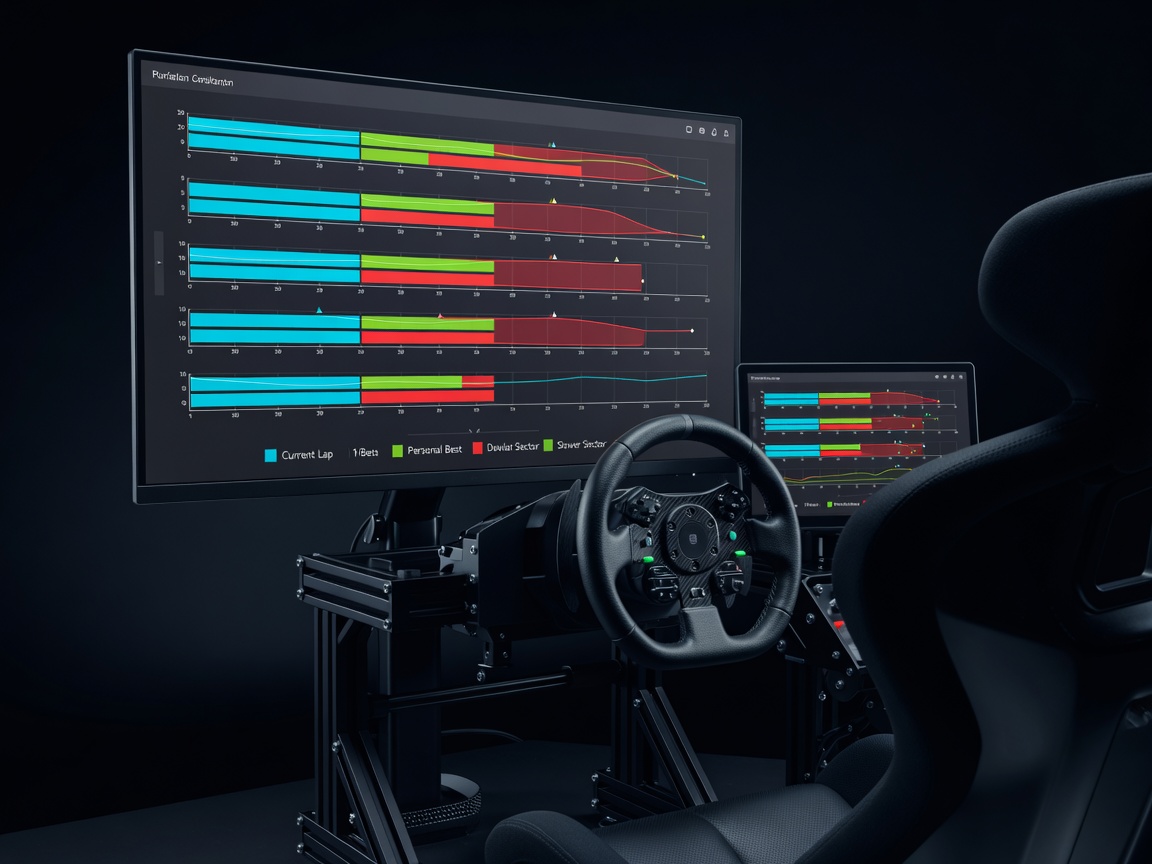

Compare what the car did, where it did it, and whether you can repeat it. A clean review turns telemetry into a useful next step—not a hunt for one perfect number.
Study Your Next LapUse the same short sequence after a run: establish a clean reference, find the braking window, trace the line, test one setup change, then repeat the comparison. Each page follows a connected lap-review pathway.
Before chasing pace, find laps that are valid and comparable. Consistency gives you a baseline that can separate a driving change from noise, traffic, or a missed apex.
Review ConsistencyCompare the start of deceleration, pressure build, release, and the point where steering begins. The useful question is whether the whole braking phase is repeatable.
Study Braking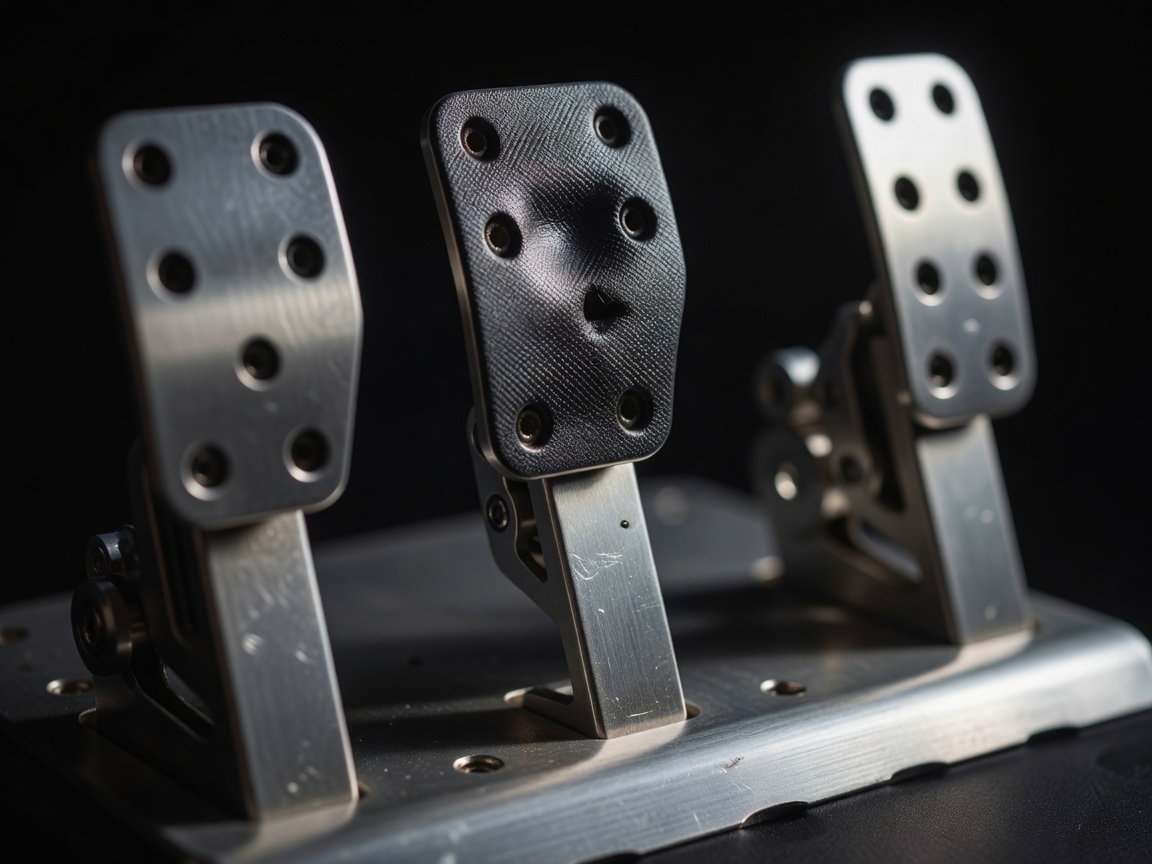
Use track position and speed together. Entry, apex, and exit are one connected path, and a later apex may matter more than a tidy-looking turn-in.
Study Racing Lines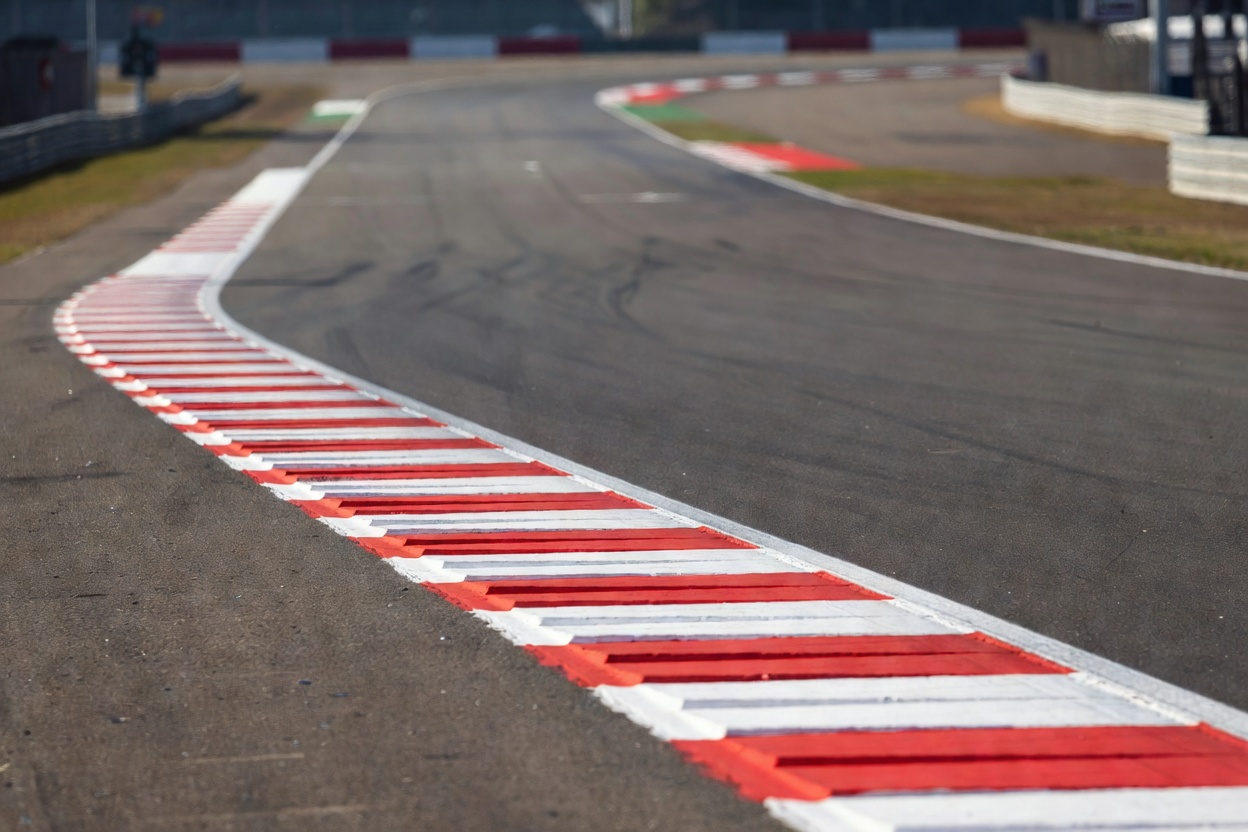
Make a setup change only after you can describe the behavior you want to improve. A single adjustment and a repeatable test give the result meaning.
Study Setup
Write down the condition, change, and result. Keep the useful parts of the lap-review routine and carry one clear question into the next session.
Read Common Questions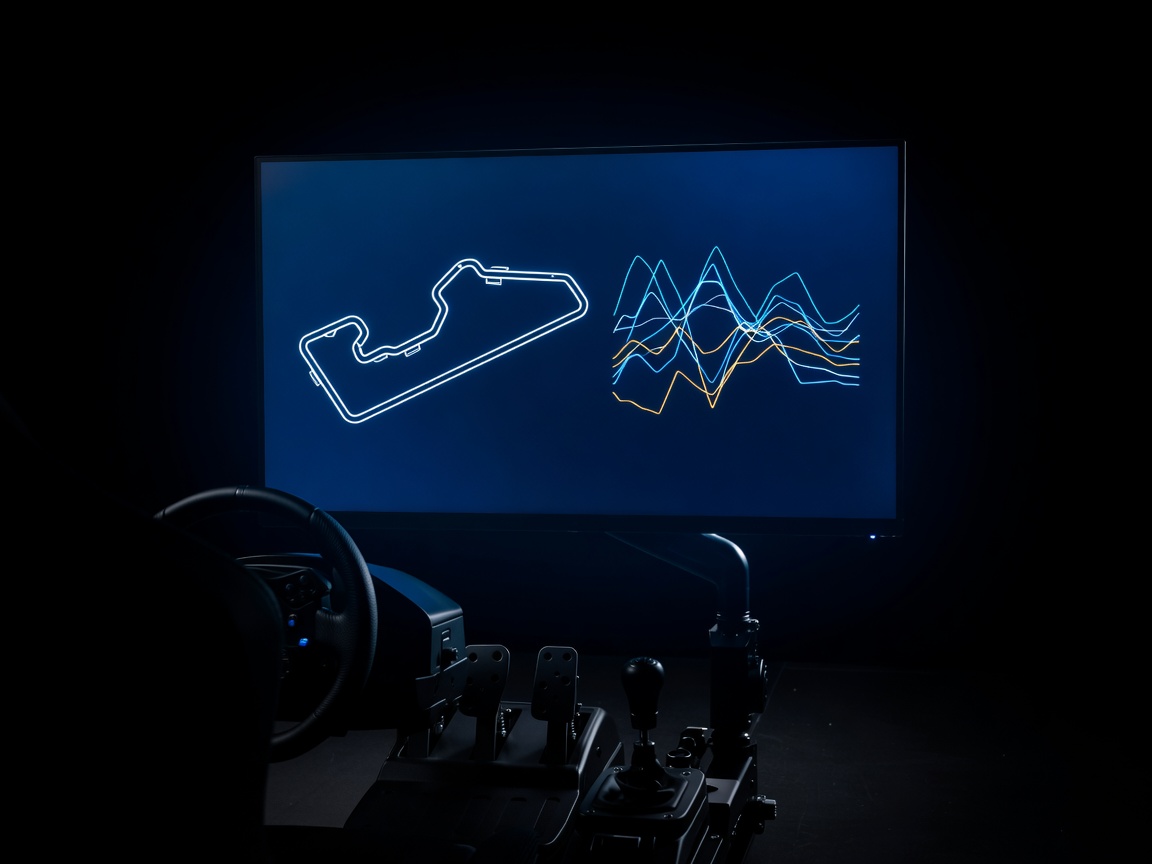
Telemetry is most useful when it supports a comparison you can explain. Keep the run conditions steady, then let the trace tell you what to test next.
Begin the ReviewKeep the measure connected to the driving question. A number alone is not a diagnosis.
We use cookies We use necessary cookies to run the site and, with your consent, optional ones to measure visits. You can change this at any time. Read more