Telemetry note 03 · baseline

Make Repeatable Laps

A strong reference lap is not necessarily your fastest isolated lap. It is a clean sample you can understand, revisit, and compare when testing a driving or setup change.

Choose clean evidence

Filter before you compare

Remove laps with off-track moments, contact, traffic effects, or obvious mistakes that change the experiment. Keep a note of conditions that matter in your simulator: track state, weather, fuel or battery state, tire condition, assist settings, and session progression. The exact variables depend on the title, but the principle is stable: compare like with like.

Use a small group of clean laps rather than relying only on a personal best. A single exceptional lap can hide a risky entry or an unusually favorable event. Consistent sector times and similar control inputs provide more useful evidence for learning.
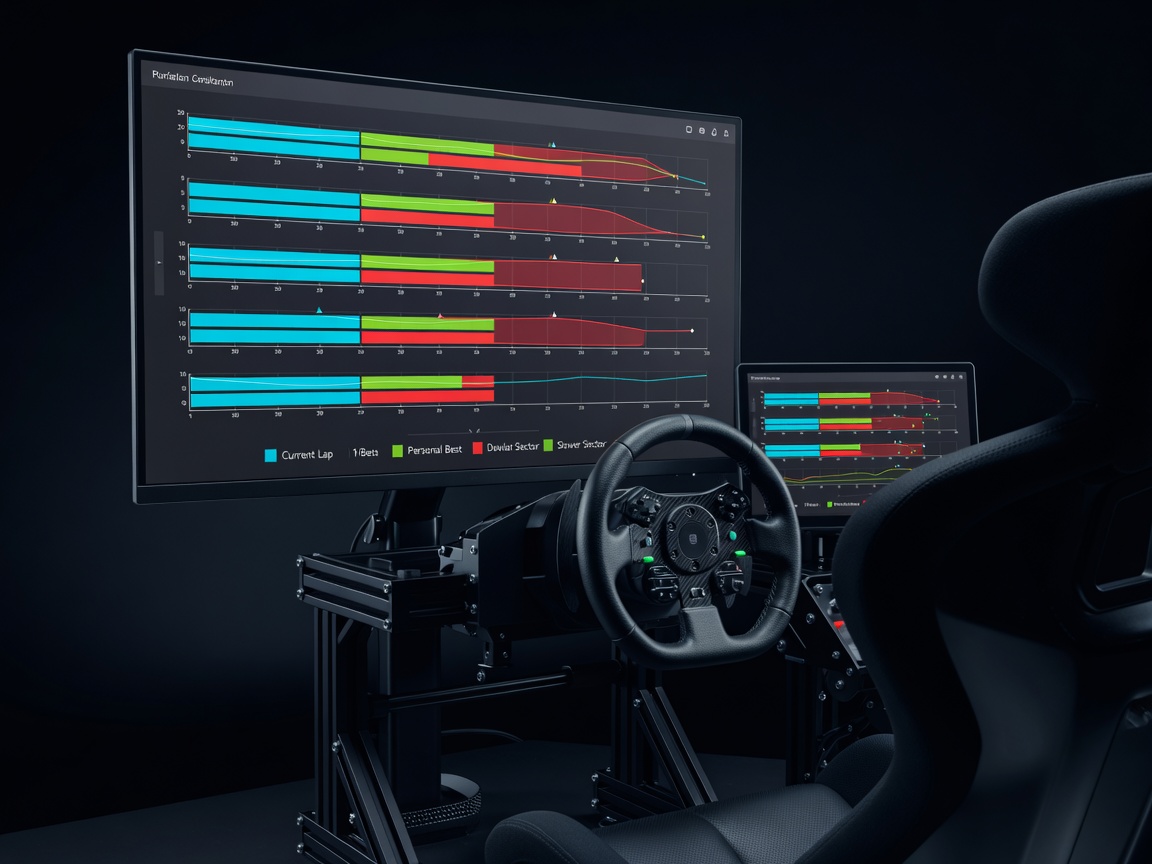
Sim racing timing display used to compare lap and sector consistency
Variation has a location

Find where the lap changes

Compare sector or corner segments to locate variation. If lap times differ, ask whether the gap begins in one braking zone, appears through a sequence, or grows on the exit of a slow corner. That location is the start of the investigation. A whole-lap delta tells you there is a difference; it does not explain why.

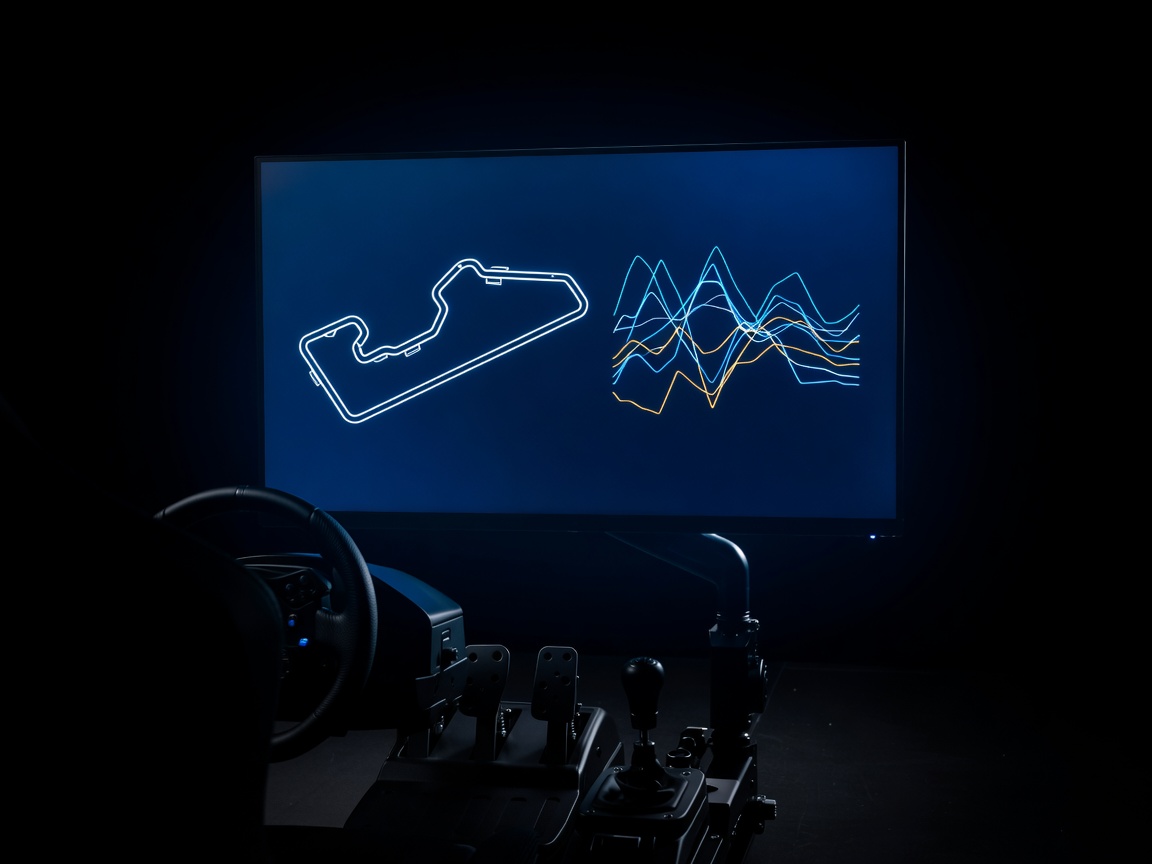
Overlay speed, throttle, brake, steering, and position if those channels are available. Read them together: a different speed trace may follow from a different line, and a different line may result from an earlier brake release. Keep cause and consequence open until you have a repeatable observation.

Telemetry screen showing a circuit outline and lap comparison in a dark sim racing setup
A reference-lap checklist
CheckWhy it mattersRecord
Valid lapPrevents incidents from distorting the baseline.Clean / exclude and reason
Session conditionsChanging grip or vehicle state can alter behavior.Track, weather, fuel, tires
Sector variationShows where the difference begins.Largest repeatable segment gap
Control traceConnects time difference to driver input.Brake, throttle, steering, speed

Consistency is a tool, not a ceiling

Repeatability does not mean driving every lap identically. It gives you enough control to test a deliberate difference. First establish a stable reference; then make one measured change and compare the result across another set of clean laps. If the change helps only once, check whether it was the line, traffic, conditions, or chance.

Keep a simple session note: what was held constant, what changed, and where the result appeared. This turns practice into a sequence of small, legible experiments.

Plan a Setup Test
Review habit: identify the first corner where two clean laps diverge, then investigate that corner before chasing the total lap delta.