Telemetry note 04 · controlled change

Change the Car with Intent

Setup is a way to influence behavior, not a shortcut around understanding it. Describe the problem from repeatable laps, choose one adjustment, and run a fair comparison.

Diagnose first

Describe the behavior in a corner

Replace broad labels such as “slow” with an observable symptom: the front pushes at mid-corner, the rear feels unsettled on entry, or traction is difficult to apply on exit. Note where it occurs, what the controls are doing, and whether the issue repeats. A setup adjustment should answer a specific question raised by those observations.

Check driving inputs before editing the garage. A line or release change can produce a similar sensation to a setup problem. If a small variation in entry speed changes the symptom, get the lap reference steadier before making a permanent conclusion.

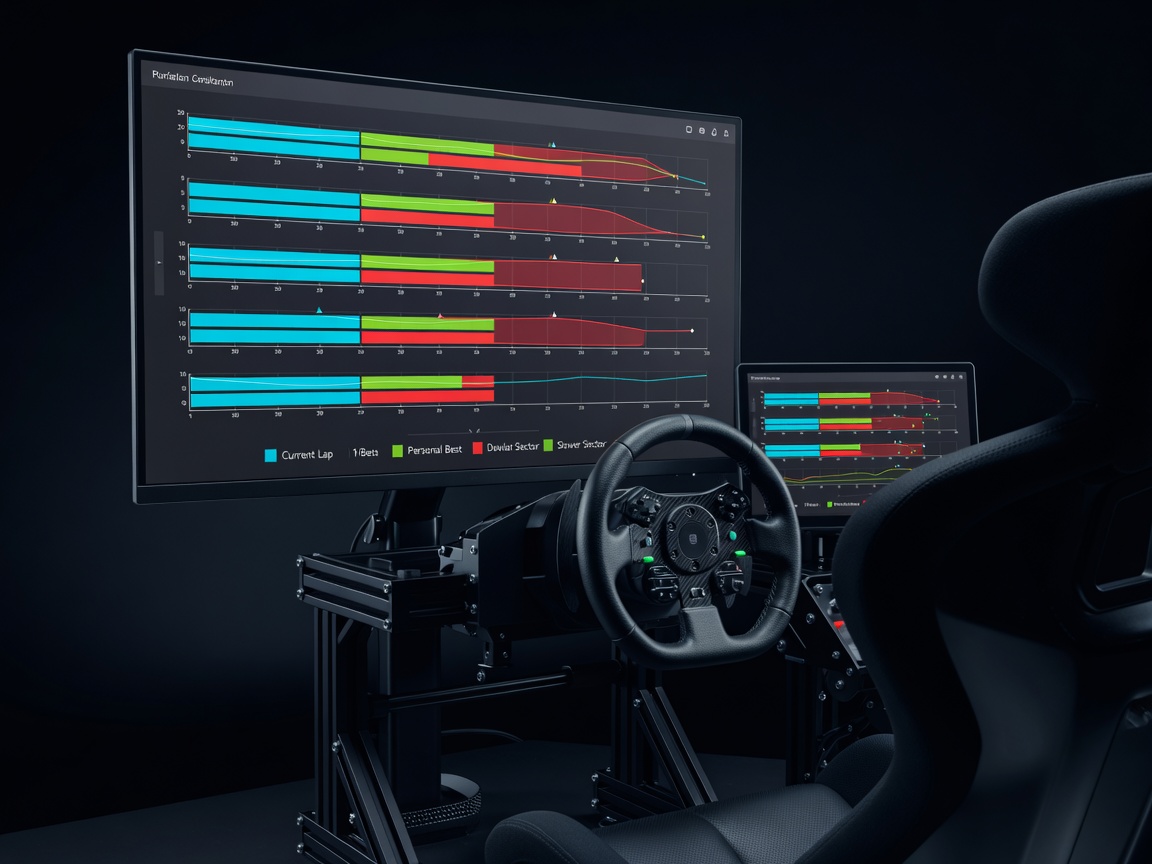
Sim racing setup controls and a telemetry display prepared for a measured adjustment
Control the experiment

Change one variable, preserve the baseline

Save or record the current setup before you edit it. Adjust one variable or a clearly defined linked pair only when the simulation requires it. Keep the circuit, car, conditions, driving approach, and measurement consistent. Run enough clean laps to see whether the result repeats; do not treat one favorable lap as proof.

Different games model settings differently. Tire pressures, alignment, damping, differential behavior, aerodynamic balance, and brake bias may not map identically between titles. Use the in-game documentation and the behavior you can observe rather than transferring a setting number as if it were universal.

Lap timing display beside a simulator wheel, ready for a before-and-after setup comparison

Write a test card

A compact record makes the result easier to trust and easier to undo.

Test noteBefore the changeAfter the change
Driving symptomWhere and when it appearsSame corner and phase
One adjustmentBaseline value or settingSingle deliberate revision
ConditionsTrack, car, state and sessionMatch as closely as possible
EvidenceClean laps and relevant traceRepeated result, not best lap alone
DecisionExpected behaviorKeep, revert, or test again

Let the lap decide

After a change, ask whether the symptom moved in the expected direction and whether another part of the lap became worse. A gain in one corner may carry a trade-off elsewhere. Retain the adjustment only when the benefit is clear for your goal and appears across comparable runs. If the data is mixed, return to the saved baseline and refine the question.

Build a Reference Lap
Engineering sequence

Observe → state a hypothesis → change one setting → repeat the run → compare the evidence.